
Boulder, CO · Boulder County · Leak Detection & Repair
Leak Detection & Repair in Boulder, Colorado
Hidden water leaks behave differently at the base of the Flatirons. Very soft alpine water, expansive Front Range clay, and housing that runs from 1890s Mapleton Hill to new Gunbarrel builds each fail in their own way. We find the leak first, then fix it.
Leak Repair Services in Boulder
Every job starts with detection. A wet carpet in a Martin Acres basement, a warm strip of tile in a Table Mesa ranch, a water bill that jumped with no clear cause. Each one points somewhere specific, and modern acoustic and thermal tools can mark that spot within inches. Once we know exactly where the water is escaping, the repair stays small. Boulder homes span three very different plumbing generations, so the fix that suits a 1920s galvanized line near Whittier rarely matches the right call for mid-life copper in Frasier Meadows.
Slab Leak Detection & Repair
Expansive clay at the foothills base shifts slabs and stresses the supply lines beneath them. We pinpoint under-slab leaks without exploratory demolition.
Slab leak repair →Basement Leak Detection & Repair
Basements are the rule on the Front Range. Snowmelt seepage, failed sump lines, and burst pipes all show up down there first.
Basement leaks →Pinhole Leak Detection & Repair
Boulder's very soft water leaves no scale but can quietly corrode old galvanized, brass, and copper. Pre-war blocks see the most pinhole calls.
Pinhole leaks →Foundation Leak Detection & Repair
Bentonite-bearing claystone heaves and settles with moisture. We trace water at footings and stem walls before it becomes structural.
Foundation leaks →Sewer Line Leak Detection & Repair
Cast iron laterals under Boulder's older streets crack with age and root pressure. Camera inspection finds the break before we dig.
Sewer line →Water Heater Leak Detection & Repair
Cold-climate tanks work hard from November through March. We separate a failed relief valve from a tank that is done for good.
Water heater →Water, Fire & Mold Damage Restoration for Boulder
Leak detection is where we started, but a hidden leak is only the beginning of the story once water has been running for days. We now handle the damage that follows: soaked drywall and flooring, smoke and fire cleanup, and the mold that moves in behind both. Boulder's flood-prone drainages, its expansive clay, and its place at the edge of Colorado's wildland-urban interface all shape how these jobs run here. Call (720) 571-2263 for water, fire, or mold damage response.
Water Damage Restoration
Extraction, drying, and structural repair after a burst line, a flood, or a basement leak.
Water Damage services →Fire Damage Restoration
Smoke, soot, and structural cleanup for Boulder homes and businesses after a fire.
Fire Damage services →Mold Remediation
Testing, containment, and removal for mold that started with a leak, a flood, or trapped basement moisture.
Mold Removal services →Why Boulder Plumbing Leaks Are Different
Boulder runs its own municipal water system. City of Boulder Utilities draws from three high-elevation sources. Roughly 40% comes from Barker Reservoir above Nederland and 40% from the Silver Lake and Lakewood Watershed on North Boulder Creek. The last 20% arrives via Boulder Reservoir, fed by the Colorado-Big Thompson project. That alpine snowmelt is treated at the Betasso and Boulder Reservoir plants and reaches your tap very soft, about 2.4 grains per gallon. It is the softest water of any city we serve.
Soft water cuts both ways. Fixtures stay nearly scale-free. Yet low-mineral water can be harder on aging metal, which is why the city runs a Corrosion Control Program to protect old lead and galvanized service lines. In practice that means pinhole leak repair calls in Boulder cluster in pre-war housing where century-old galvanized and early copper have been slowly thinning from the inside.
Underfoot, the story is soil. The city sits on bentonite-bearing claystone that swells when wet and shrinks in drought. That movement is a leading reason a slab leak shows up as a warm floor or a hairline crack. Add hard freezes from November to March, Chinook wind swings, and the memory of the 2013 Boulder Creek flood. The result is a city where leak patterns follow the seasons as much as the pipes.
Three Plumbing Generations, Three Failure Patterns
Boulder was platted in 1859, decades before most Front Range suburbs existed, so its housing stock spans everything from stone-foundation Victorians to radon-mitigated new builds. Knowing the era tells us where to listen first. The historic grid around Mapleton Hill and Goss Grove still carries galvanized supply and cast iron drains. The post-war and CU-growth neighborhoods run 50 to 80 year old copper. Newer subdivisions northeast of town mix mid-life copper with PEX.
| Era | Typical plumbing | Boulder neighborhoods | Common failure |
|---|---|---|---|
| Pre-1940 historic | Galvanized supply, cast iron drains, some original lead service lines | Mapleton Hill, Whittier, Goss Grove, University Hill | Pinhole corrosion, sewer lateral cracks |
| 1940s to 1970s | Copper supply now 50 to 80 years old, full basements | Newlands, Martin Acres, Table Mesa, Frasier Meadows, Park East | Slab leaks, failing copper joints |
| 1980s to 2000s+ | Mid-life copper, PEX transition, PVC drains | Gunbarrel, Wonderland Hill, Holiday, Knollwood, Devil's Thumb | Fitting leaks, irrigation and yard lines |
Rentals near campus add one more wrinkle. A slow leak in a CU student house can run unreported for a full semester. So landlords from Mapleton Hill out to Gunbarrel often book detection between tenants, not after a ceiling stain shows up. Wherever your property sits, the diagnosis starts with its era, and a licensed plumber can usually date the plumbing from the meter alone. Questions about your block? Call (303) 552-3896 and describe what you are seeing.
Find the Leak Before We Touch the Wall or the Slab
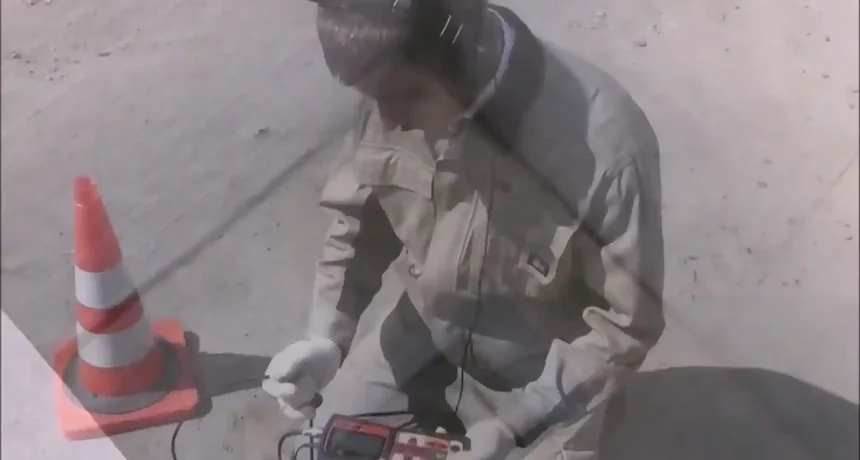
Guesswork is what makes leak repair expensive. Water travels along framing, pipe runs, and concrete before it surfaces, so the stain on the ceiling is rarely above the actual break. Our approach is detection before demolition. Acoustic sensors pick up the hiss of pressurized water escaping underground. Thermal imaging reads the temperature shadow a hot-water leak throws across a slab. Tracer gas confirms stubborn cases on long or quiet lines.
Only after the leak is marked do we discuss access, and the opening is sized to the repair rather than the search. On a slab that can mean a single square of concrete instead of a trench. Behind a shower wall it can mean one clean cutout. The crew that handles wet basements follows the same rule during spring snowmelt: trace the water to its entry point first, then fix that point, not the symptom.
Every repair is quoted up front, permits are pulled when the work requires one, and the detection findings are documented so insurance adjusters can see exactly what failed and where.
Serving Boulder and Boulder County
From the historic grid downtown to the foothills communities up the canyons, we cover the city of Boulder, its six residential ZIP codes, and the surrounding Boulder County towns. Response times inside the city typically run under an hour for emergencies.
- Downtown Boulder
- North Boulder
- South Boulder
- East Boulder
- Whittier
- Mapleton Hill
- Newlands
- Goss Grove
- Holiday
- Wonderland Hill
- Gunbarrel
- Table Mesa
- Martin Acres
- Devil's Thumb
- Knollwood
- Frasier Meadows
- Park East
- Boulder 80301
- Boulder 80302
- Boulder 80303
- Boulder 80304
- Boulder 80305
- Boulder 80310
- Louisville, CO
- Lafayette, CO
- Erie, CO
- Niwot, CO
- Lyons, CO
- Nederland, CO
- Westminster, CO
- Broomfield, CO
- Longmont, CO
- Eldorado Springs, CO
What a Leak Call Looks Like
You call, a licensed plumber answers, and the first questions are practical ones. Where is the water showing? Has the bill moved? Is the meter spinning with everything off? Those answers decide whether this is an emergency shutoff situation or a scheduled detection visit, and you get a straight recommendation either way.
On site, detection runs first. The technician isolates the suspect line, tests pressure, and works the acoustic or thermal equipment until the leak is marked on the floor or wall in front of you. You see the evidence before anyone quotes a repair. The quote itself is flat and written, covering access, the fix, and cleanup, with no hourly meter running while concrete cures.
Repairs match the situation rather than a script. A single pinhole in otherwise healthy copper gets a section replacement. A galvanized line on its third leak in two years gets an honest conversation about rerouting or repiping, because patching a failing system wastes your money. Older Boulder homes near the university and the historic districts get extra care around plaster, stonework, and original finishes. When the job needs a permit under the Boulder Revised Code, we pull it. That is the whole process, and it has not changed since the first call we took.
Boulder Leak Questions, Answered
How do you find a leak without tearing into walls or concrete?
We locate the leak first and open nothing until it is pinpointed. Acoustic sensors listen for water escaping under pressure. Thermal imaging reads heat changes behind drywall and slabs, and tracer gas confirms the exact spot on quiet lines. Most Boulder leaks are marked within a few feet before any repair access is cut.
Why do older Boulder homes get pinhole leaks if the water is so soft?
Boulder water averages 2.4 grains per gallon, which leaves almost no scale. Soft, low-mineral water can be harder on old galvanized steel, brass, and copper. That is why the city runs a Corrosion Control Program that buffers the water at the treatment plants. In pre-war blocks like Mapleton Hill and Whittier, a century of service plus that chemistry is where pinhole calls come from.
Do frozen pipes cause many leaks in Boulder?
Yes. Boulder sees hard freezes from November through March, and burst supply lines, split hose bibs, and cracked irrigation backflows are a reliable winter pattern. Basements also take on seepage during spring snowmelt. If a line has burst, shut off the main and call (303) 552-3896 so a licensed plumber can get to you quickly.
Which areas do you serve?
All of Boulder including Downtown, North Boulder, South Boulder, Gunbarrel, Table Mesa, Martin Acres, and Mapleton Hill, plus Boulder County communities such as Louisville, Lafayette, Erie, Niwot, Lyons, Nederland, and Eldorado Springs.
Are your plumbers licensed in Colorado?
Yes. Calls are handled by licensed Colorado plumbers with a state plumbing license on file, insured for residential and commercial leak work in Boulder County. Permits are pulled when the repair requires one.