
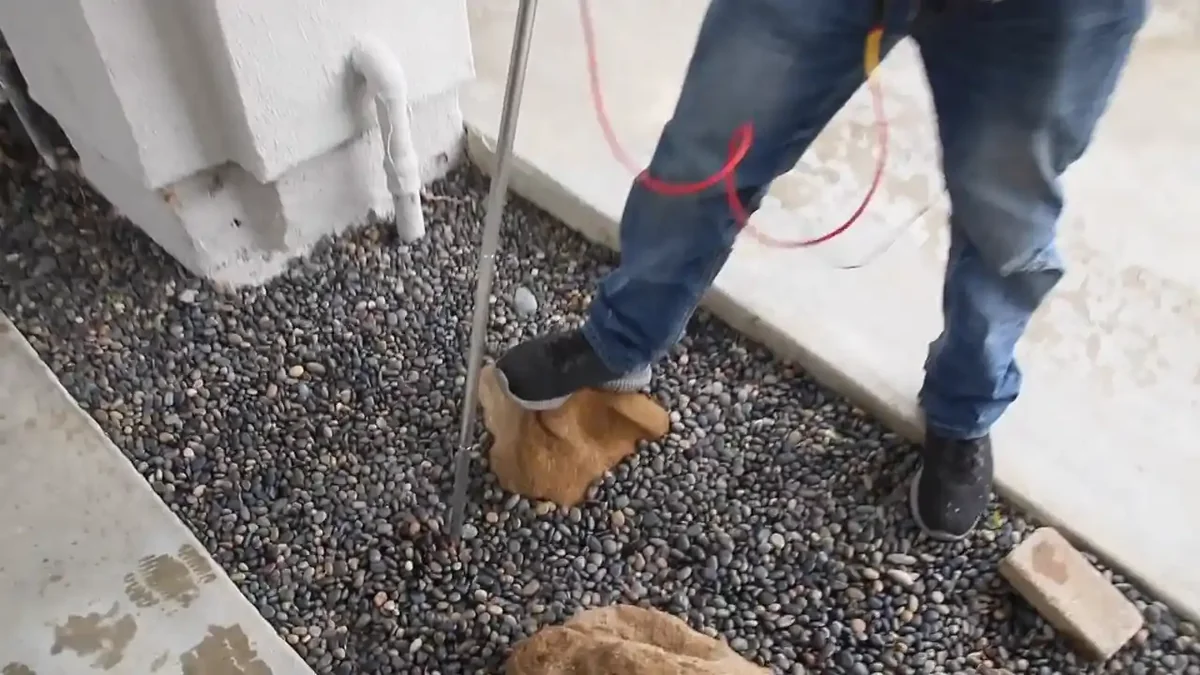
How Boulder's Tiered Rate System Treats Irrigation Losses
Boulder charges for water in five blocks. Block 1 is the lowest, conservation-rate tier. Block 5 is the punitive tier for heavy use. Every customer starts a billing cycle in Block 1 and climbs toward Block 5 as usage grows. A leak on the always-pressurized irrigation side runs 24 hours a day, 7 days a week. That volume pushes you into the upper blocks fast and keeps you there until the leak is fixed.
The timing makes it worse. Boulder's watering season runs from May 1 through September 30, with a daytime restriction on irrigation between 10 a.m. and 6 p.m. During 2026's drought watch, the city asked residents to limit outdoor watering to twice a week. None of that affects a leak on the always-pressurized side. It runs all day regardless of schedules, restrictions, or drought status, spending your water budget on soil.
Boulder's five-block system means an extra 3,000 gallons a month from a slow main-line leak often lands in Block 4 or Block 5, the tiers where the per-unit cost is highest. The leak adjustment program covers up to two consecutive bills if you fix the problem and submit documentation. But you have to find the leak first.
The Two Sides of Every Irrigation System
An irrigation system is not a single network. It has two distinct hydraulic zones, and they fail in different ways. The always-pressurized side runs from the city meter, through the main service line, to the irrigation shutoff valve and through the backflow preventer. Water is in those pipes at full pressure around the clock. Any crack or failed fitting on this side loses water continuously.
The zone-only side starts downstream of the zone valves. Those valves are closed when the controller is off, so the lateral lines, sprinkler heads, and zone fittings are only pressurized during a scheduled run. A broken head on a zone that runs twice a week for 20 minutes leaks for 40 minutes a week. A failing joint on the always-pressurized main leaks for 10,080 minutes a week. The difference in monthly volume is not comparable.
| Feature | Always-Pressurized Side | Zone-Only Side |
|---|---|---|
| When it leaks | 24 hours a day, every day | During zone runtimes only |
| Meter indicator | Spins constantly, even at 3 a.m. | Spins only during scheduled runs |
| Boulder tier impact | Very high; pushes into Block 4-5 fast | Moderate; adds hours of extra volume |
| Isolation test | Close irrigation shutoff; meter stops | Run each zone; inspect heads during run |
| Common culprit | Backflow preventer, main valve, buried joint | Broken head, stuck valve, cracked lateral |
The Isolation Test: One Step Before Calling Anyone
The test takes two minutes. Find the irrigation shutoff valve, usually a blue or green handle located between the house main and the backflow preventer. Close it. Then go to the city meter at the curb and look at the low-flow indicator, the small triangle or star dial. If it stops moving, the loss is on the irrigation side. If it keeps spinning after the irrigation shutoff is closed, the leak is in the main service line or somewhere inside the house.
If the meter stops when the irrigation shuts off, you have confirmed the loss is on the irrigation side. The next step is isolating which part. With the irrigation shutoff open and all zone valves closed at the controller, a spinning meter points to the always-pressurized segment. The backflow preventer is the first place to inspect. These devices sit in a protective box, usually near where the irrigation line exits the house, and they contain rubber seals that wear out over time. A weeping backflow preventer can run hundreds of gallons a day without ever showing water at the surface.
What Happens When the Backflow Preventer Fails
The backflow preventer sits on the always-pressurized segment and keeps irrigation water from flowing backward into the drinking supply. Inside it are rubber seats, diaphragms, and check valves. These wear with time and UV exposure. A small crack in a seat leaks at full line pressure, day and night. The water typically drains into the soil around the device and goes unnoticed until the bill arrives.
Backflow preventers are also the subject of Boulder's annual test requirement for commercial and many residential irrigation systems. An annual test catches a failing device before it becomes a billing problem. If the device fails the test, the seals can often be rebuilt rather than replaced. Either way, a weeping backflow preventer is a known, fixable problem with a direct solution.
Large Lots and the Gunbarrel Irrigation Challenge
Properties in Gunbarrel and other larger-lot neighborhoods carry long irrigation mains, multiple zones, and the kind of scale where a single failing valve or buried joint can lose significant water before the lawn shows it. The buried segment from the meter to the backflow preventer on a large lot may be thirty or forty feet of pipe that nobody has physically inspected in years. Electronic locating and listening along that run is the way to find a buried failure before it completes its second billing cycle.
When the isolation test confirms a leak on the irrigation side and visual inspection of the backflow preventer comes up clean, the next step is electronic listening along the buried main. Our irrigation leak detection service isolates the always-pressurized segment and locates the failure point before anyone digs. For a Boulder property on tiered rates, locating before digging saves both money and a lot of yard. Call (303) 552-3896 to schedule.
Frequently Asked Questions
- Can I fix an irrigation leak myself or do I need a pro?
- A broken sprinkler head, a cracked riser, or a stuck zone valve are reasonable DIY repairs if you can find the source. A leak on the always-pressurized main, a failing backflow preventer, or a buried joint that does not surface visually are all cases where instrument detection saves a lot of guessing and digging. A professional visit costs less than two rounds of excavating the wrong spot.
- Will Boulder give me a leak adjustment for an irrigation main leak?
- Yes, if you fix the leak, keep the invoice, and submit the city's leak adjustment form to UTB@BoulderColorado.gov. The policy covers up to two consecutive bills per incident and up to three total per property. The adjustment reduces the overage but does not erase it entirely. Speed matters: the clock starts the billing cycle the leak first appears on. Call (303) 552-3896 to schedule detection before the next cycle ends.
- My meter stops when I close the irrigation shutoff. Is the backflow preventer definitely the problem?
- Not necessarily, but it is the first place to check. The always-pressurized segment runs from the shutoff valve through the backflow preventer and out to the main buried supply line. A stopped meter confirms the loss is somewhere on that segment. Inspect the backflow preventer first for drips or damp soil, then listen along the buried main if the device looks dry.
Suspect a hidden leak? Get it found without demolition.
✆ Call (303) 552-3896, 24 Hours