
What a Slab Leak Is (and Why It Is Not a Crack in the Concrete)
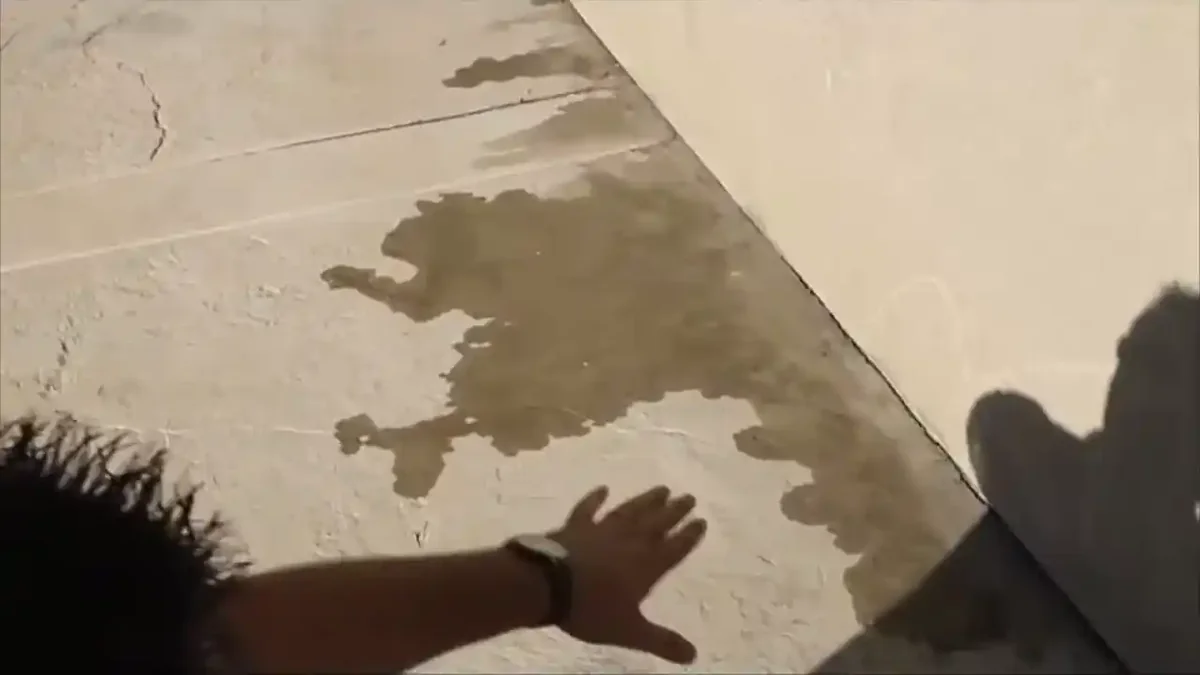
A slab leak is a failure in a supply or drain line buried beneath your home's concrete foundation. The concrete is not the problem. The pipe routed under it is. Water from a supply-side slab leak escapes under constant pressure, twenty-four hours a day, and it goes into the soil beneath the foundation. There it saturates the clay, pushes upward into the slab, or travels sideways into the walls. The concrete shows the damage before you see the pipe.
Boulder's soil makes this worse than it sounds. The bentonite and Pierre Shale expansive clay that underlies most of the Front Range absorbs water and can expand by up to twenty percent in volume. That expansion exerts force against the slab, and the cycle of wet-and-dry seasons flexes the buried pipe year after year. A first pinhole in a copper supply line under a 1960s ranch is not a random event. It is the end of a long story about clay movement, soft water corrosion, and pipe age.
The 8 Signs and What Each One Means
1. A Water Bill That Climbs With No Change in Use
A pressurized supply leak runs every hour of every day. A moderate leak adds thousands of gallons over a billing cycle. In Boulder, those extra gallons push you into higher rate tiers. A bill that jumps fifty dollars or more with no change in habits deserves a meter test before anything else. See our meter test guide for the step-by-step process.
2. A Warm or Hot Spot on the Floor
Warm patches on tile or concrete floors are the clearest sign of a hot-water supply slab leak. The most common locations are paths between the water heater and the kitchen or bath. The escaping hot water warms the soil and then the concrete above it. Walk the floor barefoot in a quiet house. A warm area with no other heat source nearby is the closest thing to a physical address the leak will give you.
3. The Sound of Running Water When Nothing Is On
A pressurized pipe makes sound when it leaks. With the house quiet and all fixtures off, that sound travels up through the slab as a hiss, rush, or trickle. Kneel near the floor in the kitchen or a first-floor bathroom. If you hear water moving when nothing is running, the source is under pressure and almost certainly below you. Pair this signal with a moving water meter and the case for a slab leak is strong.
4. A Water Meter That Keeps Moving With All Fixtures Off
Turn off every faucet, toilet, and appliance. Watch the low-flow indicator on the meter. Continued movement is the most objective confirmation of an active pressurized leak. It does not locate the leak, but it is the number you need before calling a slab leak detection crew.
5. Damp Carpet or Wet Flooring With No Obvious Source
Water from a slab leak pushes upward through the concrete, following the path of least resistance. That is often the expansion joints or the edge of the slab. The first visible evidence is frequently a wet patch in carpet or warped hardwood, not a puddle. Move the furniture, press the carpet, and see if it squeezes. If the subfloor is wet and the roof is dry, the water came from below.
6. Low Water Pressure Throughout the House
A supply slab leak bleeds pressure before water reaches the fixtures. If the whole house shows reduced pressure and the municipal feed is fine, the loss is happening in the buried supply lines. Isolate hot from cold: low pressure on the hot side only points to the hot-water supply run; low pressure on both points to the cold main or the service line itself.
7. Cracks in Walls, Floors, or Tile Grout
Water-saturated clay expands. When the soil below the slab swells unevenly, the foundation lifts in sections. That differential movement cracks tile grout lines, separates drywall seams, and opens gaps at the base of interior walls. Cracks that appear quickly, run along grout lines, or cluster near plumbing walls deserve a leak investigation before a foundation contractor. The cause may be in the pipe, not the structure.
8. A Persistent Musty Smell or Visible Mold at Floor Level
Ongoing moisture below a slab feeds mold inside the lower wall cavities and under flooring. A musty smell at floor level that does not respond to cleaning or ventilation often has a water source that has not been found. Thermal imaging can detect the moisture pattern before mold is visible, which makes detection the cheaper step compared to remediation after the fact.
| Sign | Supply Leak (pressurized) | Drain Leak (only when water runs) |
|---|---|---|
| Meter movement (all off) | Yes, continuous | No, stops when no use |
| Warm floor spots | Yes (hot-water line) | Rarely |
| Water bill impact | Large, constant | Indirect (sewage may increase) |
| Damage timeline | Fast; water runs nonstop | Slower; only leaks during use |
| Detection method | Acoustic + thermal + pressure | Camera inspection + dye |
Why Catching It Early Is the Whole Game
A supply slab leak caught in the first month is a plumbing repair. Left for a season, it is a plumbing repair plus foundation remediation plus flooring replacement plus mold treatment. The Colorado soil accelerates the damage because wet clay expands and damaged clay does not fully recover, so the ground beneath the slab never quite returns to where it started. The structure above it carries that history.
If two or more of these signs line up in your home, the five-minute meter test is the first step. If the meter confirms a loss and you cannot find the source, that is the moment for professional acoustic and thermal detection. We serve properties across Mapleton Hill, the East Boulder mid-century ranches, and the full range of Boulder County housing stock. For a slab leak or any hidden leak call (303) 552-3896 and we locate before we open anything.
Frequently Asked Questions
- How long can a slab leak run before it damages the foundation?
- Weeks to months depending on volume and soil. A small pressurized leak adds water to the clay nonstop, and the expansion cycle stresses the slab. In Boulder's bentonite clay, sustained moisture produces measurable heave. Catching it early, when the warm spot or meter first flags it, is almost always a contained repair. Waiting until flooring warps or walls crack adds remediation costs on top. Call (303) 552-3896 at the first signs.
- Can I tell if it's a slab leak or just a running toilet?
- Yes, with the meter test. Turn everything off and close the toilet supply valves one at a time. If the meter stops when a toilet supply is closed, that toilet is the culprit. If the meter keeps moving after all toilets are off and no other fixture is running, the loss is elsewhere in the system, and a slab leak moves to the top of the list.
- Do you need to break the floor to detect a slab leak?
- No. Acoustic listening, thermal imaging, and tracer gas pinpoint a slab leak to within inches through the concrete without any access. The floor opens once, at the confirmed location, sized for a proper repair. That single opening is the detection dividend: it pays for itself in avoided demolition every time.
Suspect a hidden leak? Get it found without demolition.
✆ Call (303) 552-3896, 24 Hours