
What the Sound Is Telling You
Running water makes sound when it is under pressure and escaping through a small opening. A pinhole leak in a copper supply line hisses. A larger breach rushes. A minor spray against a pipe wall produces a rhythmic ticking or tapping as the water hits surfaces. Each of these sounds means the same thing: pressurized water is moving somewhere it is not supposed to be, and it is doing it continuously.
Not all sounds point to a supply leak. A dripping or gurgling sound that only appears when someone uses water is more likely a drain issue. Think a slow drain with air in the line, or a partially blocked vent stack. These are real plumbing problems, but they do not carry the same urgency as a pressurized supply leak. The key word is continuous. If the sound is there when nobody is using water and the house has been quiet for several minutes, that is the signal that matters.
Why Boulder Homes Transmit These Sounds Clearly
The construction era matters for acoustics. Pre-war and early post-war homes in Boulder, most of them in Whittier, Mapleton Hill, and the Hill neighborhood, were built with plaster over wood lath. Plaster transmits sound from behind the wall more clearly than modern drywall does. That is why residents of older Boulder homes are often the first to notice a running-water sound: the walls literally ring when a pipe behind them is leaking under pressure.
Mid-century ranches on the east side and in South Boulder were built on concrete slabs. The supply lines in those homes often run under the slab, not behind the walls. A slab leak in those houses produces a sound that seems to come from the floor. A hiss or rush heard most clearly with your ear near the floor in a quiet room is the classic tell. The sound is real, but its source is below you, not behind a wall.
| Sound Description | When It Occurs | Most Likely Source |
|---|---|---|
| Steady hiss behind wall or floor | Continuous, all fixtures off | Pressurized supply leak |
| Rush or trickle from below floor | Continuous, 24/7 | Slab supply leak (hot or cold line) |
| Gurgle or drain sound | During or just after water use | Drain line air/partial blockage |
| Ticking or knocking from pipes | When hot water runs, then cools | Thermal expansion, usually harmless |
| Running sound from toilet area | Continuous, audible from tank | Flapper not sealing, tank refilling |
The Meter Confirms It in Two Minutes
Head to the meter box at the street. Lift the lid and find the low-flow indicator, the small triangle, star, or rotating dial that registers even a trace of flow. Any movement there, with all household use stopped, shows that pressurized water is leaving your supply system. That confirms the sound has a real source. The indicator cannot tell you where the break is, but it turns a suspicion into a confirmed active loss.
Try closing the house main shutoff next, then read the meter again. A stopped indicator means the fault is somewhere inside the home. Continued movement means the fault is in the supply pipe running from the city meter to the house. Either way, you have given a detection crew the first piece of information they need: the leak is real, it is pressurized, and they can stop looking for other explanations.
What Happens if You Wait
A pressurized supply leak does not stop or heal on its own. The water finding the path out of the pipe will erode that path wider over time. A pinhole becomes a crack. A failed fitting starts to separate. The damage to the structure around it, wet framing, saturated insulation, mold on the back of drywall, grows in direct proportion to how long the water runs.
In Boulder's older homes, the supply lines near the leak have often been under soft-water corrosion stress for decades. The leak you can hear today is rarely the only weakened point in that pipe run. Acoustic detection after a running-water complaint frequently turns up a primary leak at the sound source and a secondary failure nearby that was not yet audible. Finding both in one visit is far less expensive than returning for the second one six months later.
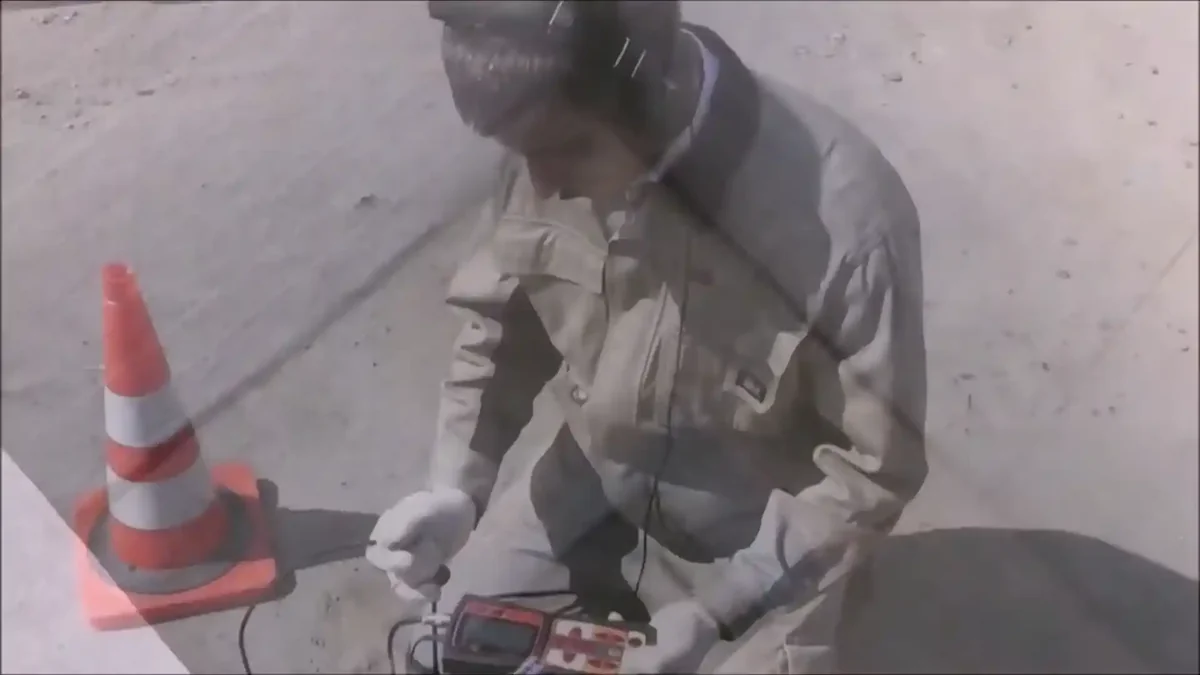
Our acoustic leak detection service uses sensitive listening equipment that tracks the sound of water escaping under pressure through concrete, drywall, and soil. Paired with thermal imaging, it locates the source precisely before any surface is opened. For a running-water sound you cannot explain, call (303) 552-3896 and we will start listening.
Frequently Asked Questions
- Is the running water sound dangerous or can I wait a few days?
- A continuous sound with all fixtures off means an active pressurized leak. It is losing water right now and will not stop. A few days of delay adds days of water damage to the structure around the leak. If you can locate the source and get a temporary shutoff in place, that limits damage while you schedule detection. If you cannot, prioritize the call.
- The sound is only in one room. Does that narrow it down?
- Yes, it helps. A sound isolated to one room points to either a supply line serving that room or a drain line running through the wall from above. If the sound is loudest near the floor, a slab leak is more likely. If it is midwall, a supply or drain line at that height is the candidate. Either way, the meter test tells you whether the source is pressurized supply or drain before any wall is opened.
- I can hear it but the meter is not moving. What does that mean?
- Two possibilities. First, the sound may be from a drain or vent stack, which the meter would not catch because no pressurized water is leaving the supply side. Second, the leak may be too slow for the low-flow indicator to catch visually, but still audible in a quiet house. In either case, thermal imaging through the wall can find moisture without any opening. Call (303) 552-3896 and we can run both checks in one visit.
Suspect a hidden leak? Get it found without demolition.
✆ Call (303) 552-3896, 24 Hours